
The Synergy of AI and Renewable Energy: Driving Efficiency and Sustainability
Estimated Reading Time: 4 minutes
Key Takeaways
- Prioritize renewable energy sources to power AI data centers and reduce the environmental impact of operations.
- Leverage AI to drive efficiency in business operations, optimize energy consumption, and streamline processes.
- Develop guidelines for the ethical use of AI in digital strategy and content creation, ensuring transparency, accountability, and authenticity.
- Consider the psychological and social implications of AI-powered technologies, addressing issues of trust, empathy, and human connection.
- Invest in education and training programs to help employees develop the skills needed to work effectively with AI-powered systems.
Table of Contents
- The Intersection of AI and Renewable Energy
- AI-Driven Efficiency in Business Operations
- The Role of AI in Digital Strategy and Content Creation
- Human Behavior and the Adoption of AI-Powered Technologies
- Key Takeaways for Businesses
- Frequently Asked Questions
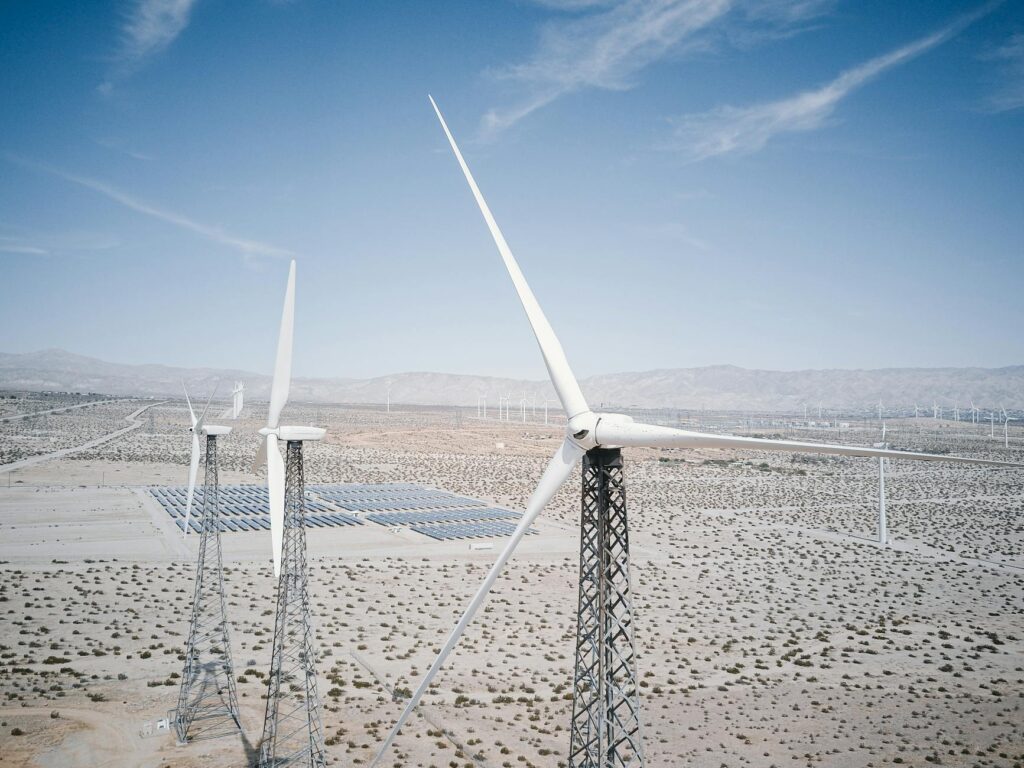
Artificial intelligence is becoming increasingly reliant on significant amounts of energy to power the complex computations that drive machine learning algorithms. As companies like Meta continue to expand their AI capabilities, they’re turning to renewable energy sources to power their data centers. The recent announcement that Meta will add 100MW of solar power from US gear to support a new AI data center in South Carolina highlights the growing importance of sustainable energy in the development and deployment of AI systems. This focus on renewable energy is not only a step towards reducing the environmental impact of AI but also a strategic move to ensure the long-term viability of these energy-intensive technologies.
The Intersection of AI and Renewable Energy
The relationship between AI and renewable energy is multifaceted. On one hand, AI can play a crucial role in optimizing the performance and efficiency of renewable energy systems. For instance, machine learning algorithms can be used to predict energy demand, optimize energy storage, and improve the overall reliability of solar and wind power systems. On the other hand, the increasing demand for renewable energy to power AI data centers underscores the need for sustainable and efficient energy solutions. As AI continues to grow in importance, companies will need to prioritize renewable energy sources to mitigate the environmental impact of their operations and ensure compliance with evolving regulatory requirements.
AI-Driven Efficiency in Business Operations
The integration of AI and renewable energy is not just about powering data centers; it’s also about driving business efficiency. AI can help companies optimize their energy consumption, streamline operations, and reduce waste. For example, AI-powered predictive maintenance can help identify potential issues in equipment and infrastructure, reducing downtime and improving overall efficiency. Additionally, AI-driven analytics can provide insights into energy usage patterns, enabling businesses to make data-driven decisions about energy management and optimization. By leveraging AI to drive efficiency, companies can not only reduce their environmental footprint but also improve their bottom line.
The Role of AI in Digital Strategy and Content Creation
AI is also playing a critical role in shaping digital strategy and content creation. With the ability to analyze vast amounts of data, AI can help companies better understand their target audiences, personalize content, and optimize marketing campaigns. Moreover, AI-powered tools are being used to generate high-quality content, such as videos, images, and written articles, at unprecedented scales. However, the use of AI in content creation also raises important questions about authorship, authenticity, and the potential for bias. As companies continue to explore the potential of AI in digital strategy and content creation, they’ll need to carefully consider these issues and develop guidelines that ensure transparency, accountability, and ethical use of AI.
Human Behavior and the Adoption of AI-Powered Technologies
The adoption of AI-powered technologies is not just about the technology itself but also about human behavior and psychology. As AI becomes more pervasive in our personal and professional lives, companies will need to consider the psychological and social implications of these technologies. For instance, the use of AI-powered chatbots and virtual assistants raises important questions about trust, empathy, and human connection. Moreover, the increasing reliance on AI-driven decision-making tools will require companies to develop strategies for addressing potential biases and ensuring that these systems are transparent, explainable, and fair. By understanding the complex interplay between human behavior and AI, companies can develop more effective strategies for adopting and implementing these technologies.
Key Takeaways for Businesses
As companies continue to navigate the rapidly evolving landscape of AI and renewable energy, there are several key takeaways to consider:
- Prioritize renewable energy sources to power AI data centers and reduce the environmental impact of operations
- Leverage AI to drive efficiency in business operations, optimize energy consumption, and streamline processes
- Develop guidelines for the ethical use of AI in digital strategy and content creation, ensuring transparency, accountability, and authenticity
- Consider the psychological and social implications of AI-powered technologies, addressing issues of trust, empathy, and human connection
- Invest in education and training programs to help employees develop the skills needed to work effectively with AI-powered systems
In conclusion, the intersection of AI and renewable energy is a critical area of focus for companies looking to reduce their environmental impact, drive business efficiency, and stay ahead of the curve in terms of digital strategy and content creation. As AI continues to evolve and improve, it’s essential to consider the complex interplay between technology, human behavior, and psychology. By prioritizing renewable energy, leveraging AI to drive efficiency, and addressing the psychological and social implications of these technologies, companies can unlock the full potential of AI while minimizing its negative consequences.
Frequently Asked Questions
Q: How can companies ensure that their AI systems are powered by renewable energy sources?
A: Companies can explore options for purchasing renewable energy credits, investing in on-site solar or wind power, or partnering with data center providers that prioritize renewable energy.
Q: What are the potential risks and challenges associated with using AI in content creation?
A: The use of AI in content creation raises important questions about authorship, authenticity, and the potential for bias, highlighting the need for guidelines and regulations to ensure transparency and accountability.
Q: How can companies address the psychological and social implications of AI-powered technologies?
A: Companies can invest in education and training programs, develop strategies for addressing potential biases, and prioritize transparency and explainability in AI-driven decision-making tools.
Q: What role can AI play in optimizing the performance and efficiency of renewable energy systems?
A: AI can be used to predict energy demand, optimize energy storage, and improve the overall reliability of solar and wind power systems, helping to drive the transition to renewable energy sources.
Q: How can companies measure the environmental impact of their AI operations and develop strategies for reduction?
A: Companies can use metrics such as carbon footprint and energy consumption to measure the environmental impact of their AI operations, and develop strategies for reduction by prioritizing renewable energy sources, optimizing energy efficiency, and reducing waste.