
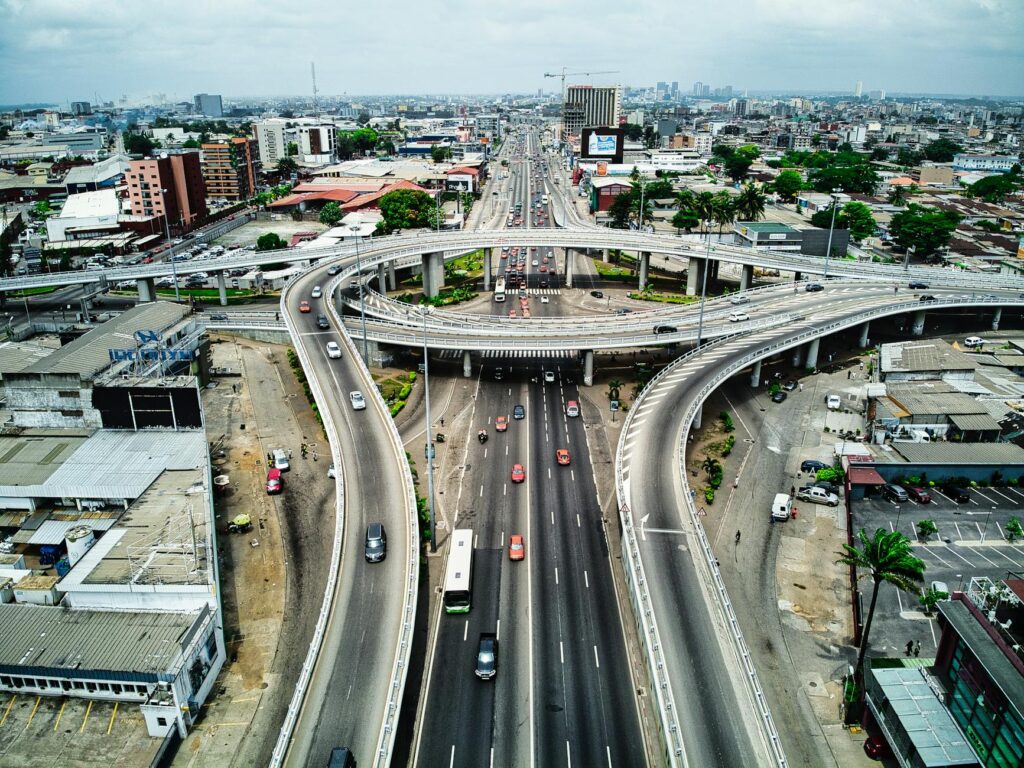
The Future of Road Safety: Leveraging AI for Smarter Traffic Management
Estimated reading time: 5 minutes
Key Takeaways
- Leveraging AI-powered cameras and traffic management systems to improve road safety and reduce accidents.
- Using AI-driven insights to inform data-driven decision-making and optimize resource allocation.
- Developing targeted educational campaigns and public awareness initiatives that promote safe and sustainable behaviors.
- Integrating AI with other smart city initiatives to create a more efficient and sustainable urban infrastructure.
- Exploring the potential of AI-driven content creation tools to develop personalized and engaging safety initiatives.
Table of Contents
Artificial intelligence is becoming increasingly adept at identifying and mitigating risks in various aspects of our lives, including road safety. The use of AI-powered cameras at stop signs, as seen in the innovative approach by Obvio, highlights the potential of AI in enhancing safety and reducing accidents. By leveraging computer vision and machine learning algorithms, these cameras can detect and flag unsafe driving behaviors, such as rolling stops or failure to come to a complete halt. This technology has significant implications for business efficiency, particularly in the context of urban planning and traffic management, where AI-driven insights can inform data-driven decision-making and optimize resource allocation.
The Role of AI in Road Safety
The integration of AI in road safety is a prime example of how technology can be harnessed to improve human behavior and reduce risks. AI-powered cameras can analyze real-time data from stop signs, providing valuable insights into driving patterns and identifying areas where intervention is necessary. This information can be used to develop targeted educational campaigns, optimize traffic light timing, and even inform urban planning decisions. Moreover, the use of AI in this context can help alleviate concerns about privacy, as the focus is on detecting and preventing unsafe behaviors rather than monitoring individual activities.
Automating Traffic Management with AI
The application of AI in traffic management extends beyond the use of cameras at stop signs. AI algorithms can be used to analyze traffic patterns, predict congestion, and optimize traffic signal timing in real-time. This can lead to significant improvements in traffic flow, reducing congestion and lowering the risk of accidents. Additionally, AI-driven traffic management systems can integrate with other smart city initiatives, such as intelligent transportation systems and smart parking solutions, to create a more efficient and sustainable urban infrastructure. By automating traffic management, cities can reduce the need for manual intervention, minimize the risk of human error, and allocate resources more effectively.
Human Behavior and AI-Driven Insights
The use of AI in road safety and traffic management also raises important questions about human behavior and the impact of technology on our daily lives. As AI-driven insights become more prevalent, there is a growing need to understand how these technologies influence our behaviors and decision-making processes. For instance, the use of AI-powered cameras at stop signs may lead to a decrease in reckless driving behaviors, as individuals become more aware of the consequences of their actions. Similarly, AI-driven traffic management systems can provide personalized recommendations to drivers, helping them navigate through congested areas and reduce their environmental footprint. By leveraging AI-driven insights, businesses and urban planners can develop more effective strategies for promoting safe and sustainable behaviors.
AI and Content Creation in Road Safety
The application of AI in road safety also extends to content creation, where AI algorithms can be used to develop personalized educational campaigns and public awareness initiatives. By analyzing data from AI-powered cameras and traffic management systems, urban planners can create targeted content that addresses specific safety concerns and promotes positive behaviors. For example, AI-driven content creation tools can be used to develop interactive simulations, virtual reality experiences, and social media campaigns that educate drivers about the risks of reckless behavior and the importance of safe driving practices. By leveraging AI in content creation, businesses and urban planners can develop more effective and engaging safety initiatives that resonate with their target audiences.
Key Takeaways for Businesses
The integration of AI in road safety and traffic management offers several practical takeaways for businesses and urban planners. These include:
- Leveraging AI-powered cameras and traffic management systems to improve road safety and reduce accidents.
- Using AI-driven insights to inform data-driven decision-making and optimize resource allocation.
- Developing targeted educational campaigns and public awareness initiatives that promote safe and sustainable behaviors.
- Integrating AI with other smart city initiatives to create a more efficient and sustainable urban infrastructure.
- Exploring the potential of AI-driven content creation tools to develop personalized and engaging safety initiatives.
In conclusion, the use of AI in road safety and traffic management highlights the potential of technology to improve human behavior and reduce risks. By leveraging AI-driven insights and automating traffic management, cities can create a more efficient and sustainable urban infrastructure. As AI continues to evolve and improve, it is likely that we will see even more innovative applications of this technology in the context of road safety and beyond. By understanding the implications of AI on human behavior and content creation, businesses and urban planners can develop more effective strategies for promoting safe and sustainable practices.
Frequently Asked Questions
Q: How do AI-powered cameras at stop signs improve road safety?
A: AI-powered cameras can detect and flag unsafe driving behaviors, such as rolling stops or failure to come to a complete halt, providing valuable insights for targeted educational campaigns and optimized traffic management.
Q: Can AI-driven traffic management systems integrate with other smart city initiatives?
A: Yes, AI-driven traffic management systems can integrate with other smart city initiatives, such as intelligent transportation systems and smart parking solutions, to create a more efficient and sustainable urban infrastructure.
Q: How can AI-driven insights inform content creation in road safety?
A: AI-driven insights can be used to develop personalized educational campaigns and public awareness initiatives that address specific safety concerns and promote positive behaviors.
Q: What are the potential benefits of using AI in road safety and traffic management?
A: The potential benefits of using AI in road safety and traffic management include improved road safety, reduced accidents, and optimized traffic flow, as well as more efficient and sustainable urban infrastructure.
Q: How can businesses and urban planners leverage AI to promote safe and sustainable behaviors?
A: Businesses and urban planners can leverage AI by using AI-driven insights to inform data-driven decision-making, developing targeted educational campaigns, and integrating AI with other smart city initiatives to create a more efficient and sustainable urban infrastructure.