
AI-Powered Cameras: Enhancing Road Safety and Business Efficiency
Estimated reading time: 3 minutes
Key Takeaways
- Leverage AI for Value: Identify specific areas where artificial intelligence can drive significant improvements, such as enhancing road safety and operational efficiency in transportation.
- Strategic Investment: Prioritize investment in AI-powered tools and technologies to streamline processes, reduce costs, and boost overall productivity across various business functions.
- Prioritize Ethical Implementation: Ensure transparency and accountability when deploying AI systems, guaranteeing they are fair, reliable, and secure for all stakeholders.
Table of Contents
- Key Takeaways
- How AI-Powered Cameras Work
- The Potential Impact on Road Safety
- The Broader Implications for Business Efficiency and Automation
- Key Takeaways for Businesses
- Frequently Asked Questions
Artificial intelligence is increasingly being used to improve safety on our roads, with one notable example being the use of AI-powered cameras to monitor stop signs and identify unsafe drivers. This technology has the potential to significantly reduce the number of accidents and near-misses at intersections, and it’s an example of how AI can be used to enhance business efficiency and automation in the field of transportation. By leveraging computer vision and machine learning algorithms, these cameras can detect and flag drivers who fail to come to a complete stop, providing valuable insights for law enforcement and city planners.
How AI-Powered Cameras Work
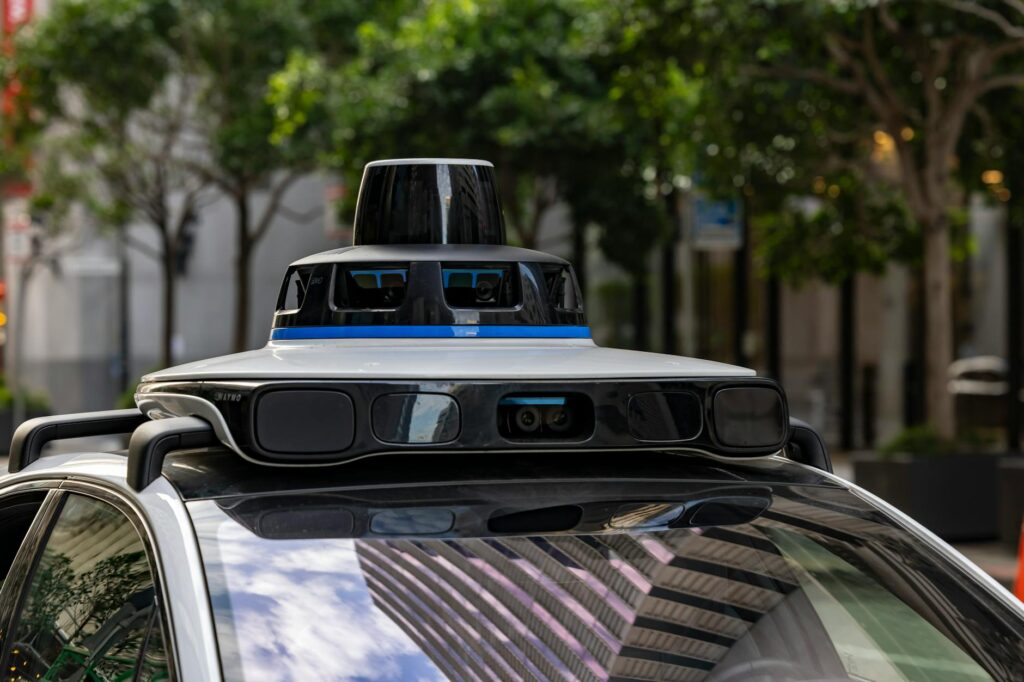
AI-powered cameras use a combination of hardware and software to detect and track vehicles as they approach stop signs. The cameras are equipped with high-resolution sensors that capture images of the intersection, which are then analyzed using machine learning algorithms to detect potential safety hazards. The system can detect a range of behaviors, including failure to stop, speeding, and reckless driving. The data collected by these cameras can be used to identify patterns and trends, providing valuable insights for law enforcement and city planners to improve road safety.
The Potential Impact on Road Safety
The potential impact of AI-powered cameras on road safety is significant. According to the National Highway Traffic Safety Administration, there were over 36,000 fatalities on American roads in 2020, with many of these accidents occurring at intersections. By using AI-powered cameras to monitor stop signs and identify unsafe drivers, cities can take a proactive approach to reducing the number of accidents and improving road safety. Additionally, the data collected by these cameras can be used to inform urban planning and design, helping to create safer and more efficient transportation systems.
The Broader Implications for Business Efficiency and Automation
The use of AI-powered cameras to monitor stop signs is just one example of how artificial intelligence is being used to improve business efficiency and automation in a variety of industries. From supply chain management to customer service, AI is being used to streamline processes, reduce costs, and improve productivity. In the context of transportation, AI-powered cameras can help cities optimize traffic flow, reduce congestion, and improve public safety. By leveraging AI and machine learning, businesses and governments can gain valuable insights and make data-driven decisions to drive growth and improvement.
Key Takeaways for Businesses
There are several key takeaways for businesses looking to leverage AI-powered cameras and other automation technologies to improve efficiency and safety. First, it’s essential to identify areas where AI can add value and drive meaningful improvement. In the case of transportation, AI-powered cameras can help reduce accidents and improve road safety. Second, businesses should consider investing in AI-powered tools and technologies that can help streamline processes and improve productivity. Finally, it’s crucial to prioritize transparency and accountability when implementing AI-powered systems, ensuring that they are fair, reliable, and secure.
The use of AI-powered cameras to monitor stop signs is a powerful example of how artificial intelligence can be used to drive business efficiency, automation, and safety. By leveraging computer vision and machine learning algorithms, these cameras can detect and flag unsafe drivers, providing valuable insights for law enforcement and city planners. As AI continues to evolve and improve, we can expect to see even more innovative applications of this technology in a variety of industries, from transportation to healthcare and beyond.
Frequently Asked Questions
Q: How do AI-powered cameras detect and flag unsafe drivers?
A: AI-powered cameras use a combination of hardware and software to detect and track vehicles as they approach stop signs. The cameras are equipped with high-resolution sensors that capture images of the intersection, which are then analyzed using machine learning algorithms to detect potential safety hazards.
Q: What are the potential benefits of using AI-powered cameras to monitor stop signs?
A: The potential benefits of using AI-powered cameras to monitor stop signs include improved road safety, reduced accidents, and enhanced business efficiency and automation.
A: Businesses can leverage AI-powered cameras and other automation technologies by identifying areas where AI can add value and drive meaningful improvement, investing in AI-powered tools and technologies, and prioritizing transparency and accountability.
A: Some potential challenges or limitations of using AI-powered cameras to monitor stop signs include ensuring the accuracy and reliability of the system, addressing concerns around privacy and surveillance, and integrating the technology with existing infrastructure and systems.