
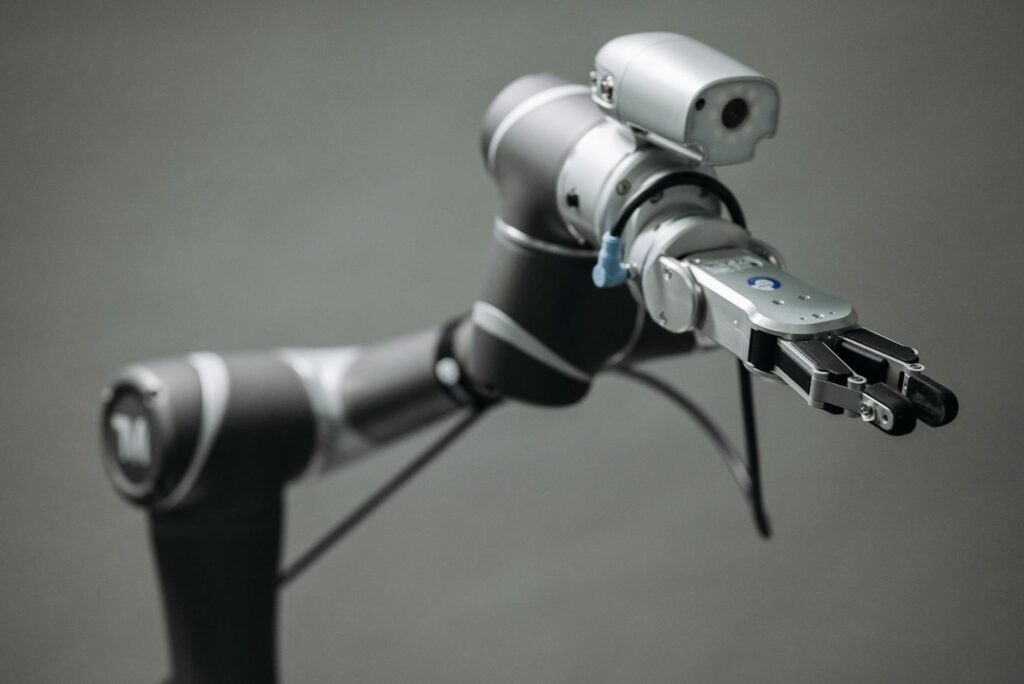
The Transformative Power of OpenClaw: Automating Business with Open-Source AI
Estimated reading time: 3 minutes
Key Takeaways
- Identify high-value automation areas: Focus on routine tasks or outsourced workflows where AI can deliver the most significant benefits.
- Assess risks and challenges: Thoroughly consider potential job displacement and the critical need for employee retraining and upskilling.
- Integrate OpenClaw strategically: Seek opportunities to combine OpenClaw with existing software and systems to create a unified and efficient digital platform.
- Upskill and reskill staff: Prioritize preparing employees to work effectively alongside AI tools like OpenClaw, especially in areas of AI development, training, and deployment.
- Consider human behavior impact: Evaluate how increased automation from OpenClaw might influence human behavior, particularly by shifting focus towards creative and high-value tasks requiring unique human judgment.
Table of Contents
- What is OpenClaw and How Does it Work?
- The Potential of OpenClaw for Business Efficiency
- The Role of OpenClaw in Digital Strategy
- The Human Factor: How OpenClaw is Changing the Way We Work
- Key Takeaways for Businesses
- Frequently Asked Questions
Artificial intelligence is increasingly being used to automate tasks, and one area where this is particularly evident is in the use of open-source AI tools like OpenClaw. This technology has the potential to significantly impact business efficiency, and companies are already starting to take notice. OpenClaw, in particular, has been making waves in China, where entrepreneurs are using it to automate tasks and create new business opportunities. As we explore the potential of OpenClaw and other open-source AI tools, it’s clear that they have the potential to revolutionize the way we approach automation and digital strategy.
What is OpenClaw and How Does it Work?
OpenClaw is an open-source AI tool that allows users to automate tasks on their devices. It uses a combination of natural language processing and machine learning algorithms to understand and complete tasks, from simple data entry to more complex tasks like content creation. The tool is highly customizable, allowing users to tailor it to their specific needs and integrate it with other software and systems. This flexibility has made OpenClaw a popular choice among entrepreneurs and businesses looking to streamline their operations and improve efficiency. For example, a company might use OpenClaw to automate data entry tasks, freeing up staff to focus on higher-value tasks like strategy and customer engagement.
The Potential of OpenClaw for Business Efficiency
One of the key benefits of OpenClaw is its potential to improve business efficiency. By automating routine tasks, companies can free up staff to focus on more complex and high-value tasks. This can lead to significant productivity gains and cost savings, as well as improved employee satisfaction and engagement. OpenClaw can also be used to automate tasks that are currently being outsourced, bringing them back in-house and reducing the risk of data breaches and other security threats. For instance, a company might use OpenClaw to automate customer service tasks, providing 24/7 support to customers without the need for human intervention. This can help to improve customer satisfaction and loyalty, while also reducing the workload of customer service staff.
The Role of OpenClaw in Digital Strategy
OpenClaw is not just a tool for automating tasks – it also has the potential to play a key role in digital strategy. By providing a platform for automating tasks and workflows, OpenClaw can help companies to improve their digital operations and reduce the risk of errors and downtime. It can also be used to integrate different systems and software, providing a single platform for managing and automating digital tasks. This can help to improve collaboration and communication between teams, as well as reduce the complexity and cost of digital operations. For example, a company might use OpenClaw to automate its social media marketing, creating and scheduling posts, responding to comments, and analyzing engagement metrics. This can help to improve the effectiveness of social media marketing campaigns, while also reducing the workload of marketing staff.
The Human Factor: How OpenClaw is Changing the Way We Work
While OpenClaw has the potential to significantly improve business efficiency and digital strategy, it also raises important questions about the human factor. As automation becomes more prevalent, there is a risk that jobs will be displaced, particularly in areas where tasks are repetitive or routine. However, OpenClaw also has the potential to create new job opportunities, particularly in areas like AI development, training, and deployment. It’s also important to consider the potential impact of OpenClaw on human behavior, particularly in areas like content creation and digital engagement. For instance, as OpenClaw is used to automate more tasks, there may be a greater emphasis on creative and high-value tasks that require human input and judgment. This could lead to a shift in the way we work, with a greater focus on strategic thinking, problem-solving, and collaboration.
Key Takeaways for Businesses
So what are the key takeaways for businesses looking to leverage OpenClaw and other open-source AI tools? Here are a few practical points to consider:
- Start by identifying areas where automation can add the most value, such as routine tasks or workflows that are currently being outsourced.
- Consider the potential risks and challenges of automation, including job displacement and the need for retraining.
- Look for opportunities to integrate OpenClaw with other software and systems, providing a single platform for managing and automating digital tasks.
- Focus on upskilling and reskilling staff to work effectively with AI tools like OpenClaw, particularly in areas like AI development, training, and deployment.
- Consider the potential impact of OpenClaw on human behavior, particularly in areas like content creation and digital engagement.
In conclusion, OpenClaw and other open-source AI tools have the potential to significantly impact business efficiency, digital strategy, and human behavior. As we move forward, it’s essential to consider the potential benefits and risks of automation, as well as the need for retraining and upskilling. By leveraging OpenClaw and other AI tools effectively, companies can improve their operations, reduce costs, and create new opportunities for growth and innovation.
Frequently Asked Questions
Q: What is OpenClaw and how does it work?
A: OpenClaw is an open-source AI tool that uses natural language processing and machine learning algorithms to automate tasks on devices. It is highly customizable and can be integrated with other software and systems.
Q: What are the potential benefits of using OpenClaw for business efficiency?
A: The potential benefits of using OpenClaw for business efficiency include improved productivity, cost savings, and enhanced employee satisfaction and engagement.
Q: How can OpenClaw be used in digital strategy?
A: OpenClaw can be used to automate tasks and workflows, integrate different systems and software, and provide a single platform for managing and automating digital tasks.
Q: What are the potential risks and challenges of using OpenClaw?
A: The potential risks and challenges of using OpenClaw include job displacement, the need for retraining, and the potential impact on human behavior, particularly in areas like content creation and digital engagement.
Q: How can companies get started with using OpenClaw?
A: Companies can get started with using OpenClaw by identifying areas where automation can add the most value, considering the potential risks and challenges, and looking for opportunities to integrate OpenClaw with other software and systems.